

Jon Brook, the general manager at Red Sea Global’s Shura Links, has overseen the development of Saudi Arabia’s first island resort golf course from construction through to its recent official opening. In this exclusive interview with Golf Business News, Jon discusses the challenges of launching a world-class facility in such a unique location, sustainability initiatives, technology, staffing, and his vision for Shura Links’ future in the wider Saudi golf and tourism ecosystem.
GBN: What has been your career path to date?
Jon Brook: I have built an international career in golf spanning more than 30 years, progressing from PGA Professional to senior leadership roles across some of the industry’s most respected clubs and resort destinations. With experience across Europe, the Middle East, and Central Asia, I have consistently driven commercial growth, elevated member and guest experiences, and led high-performing teams.
My career has combined established private clubs with luxury resort developments, culminating in my current role with Red Sea Global, where I have overseen the launch of Shura Links, Saudi Arabia’s first island resort golf course.
What attracted you to the role at Shura Links?
First and foremost it was the scale and ambition of Red Sea Global’s vision, and the opportunity to be involved from the very beginning of a landmark project. The chance to help shape Saudi Arabia’s first island resort golf course, and contribute to building a destination that will sit on the global stage, was a compelling challenge both professionally and personally.
You arrived during the early pre-opening phase of courses construction. What were the main challenges you faced during this period?
One of the key challenges was building a fully operational golf facility from the ground up in a remote island environment. This involved coordinating multiple stakeholders, managing complex logistics and procurement processes, and ensuring all systems, infrastructure, and staffing were in place within tight timelines.
Recruitment and training were also critical, as it was essential to establish a high-performing team and embed service standards from day one. At the same time, aligning the golf operation with the wider Red Sea vision and integrating seamlessly with luxury hotel partners added another layer of complexity, requiring careful planning and close collaboration across all departments.
Now that the course is up and running, how has the course matched up to your expectations from those early design drawings?
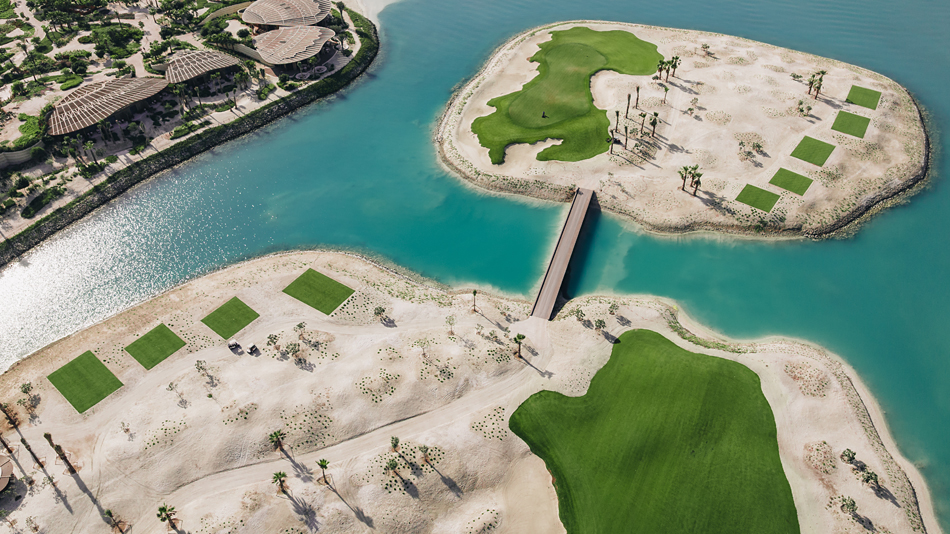
The one key element of every project with Red Sea Global is how the design drawings for every asset are delivered into reality. The early vision for the golf course has been delivered exactly as planned and to the highest standards. With the design brilliance of Brian Curley and the attention to detail from the construction by Richard Haas, they have delivered one of the finest golf courses in the region.
How would you describe the style of the course?
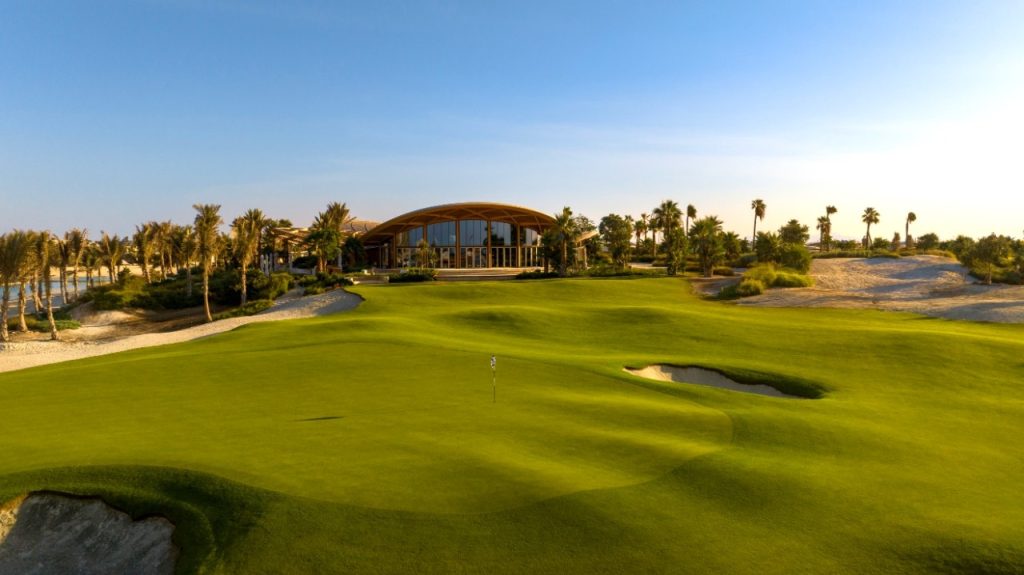
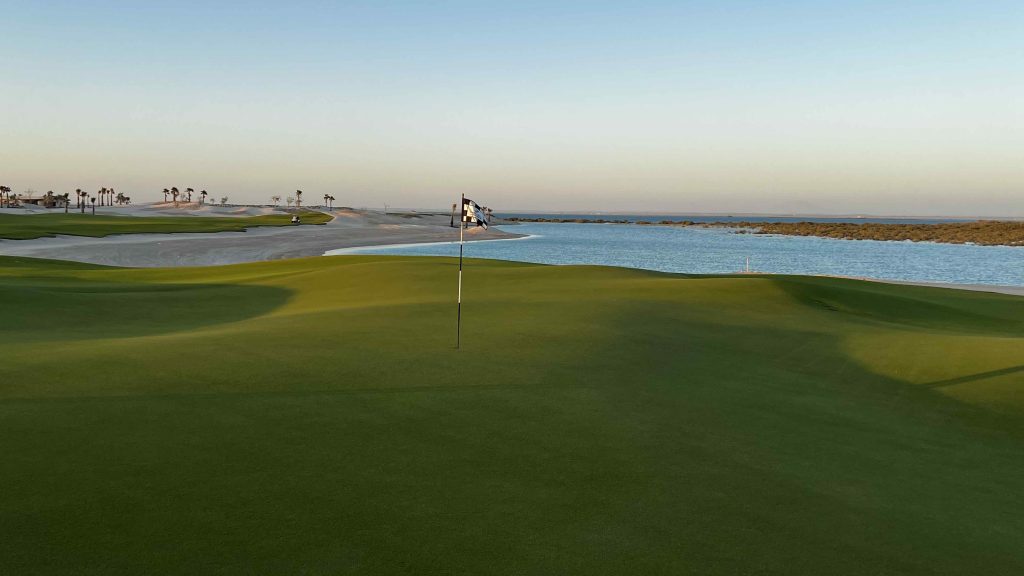
It’s a links in name, style and how it plays. The course is designed to be played hard and fast with large undulating greens that require a multitude of different shots depending on the hole location and the wind. Being a seaside course, the wind plays an important role in the playability of the course, just like it would at any traditional links course.
What are your favourite holes?
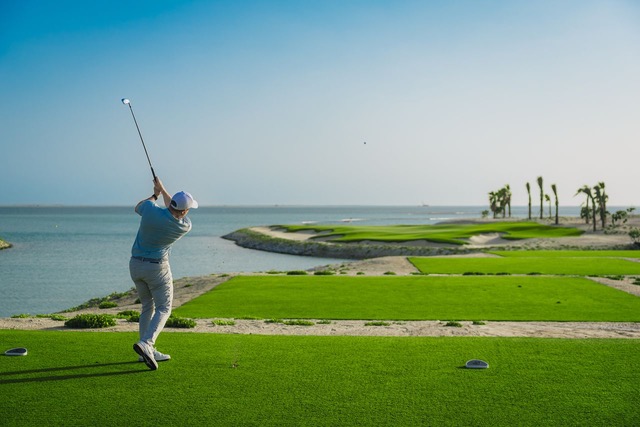
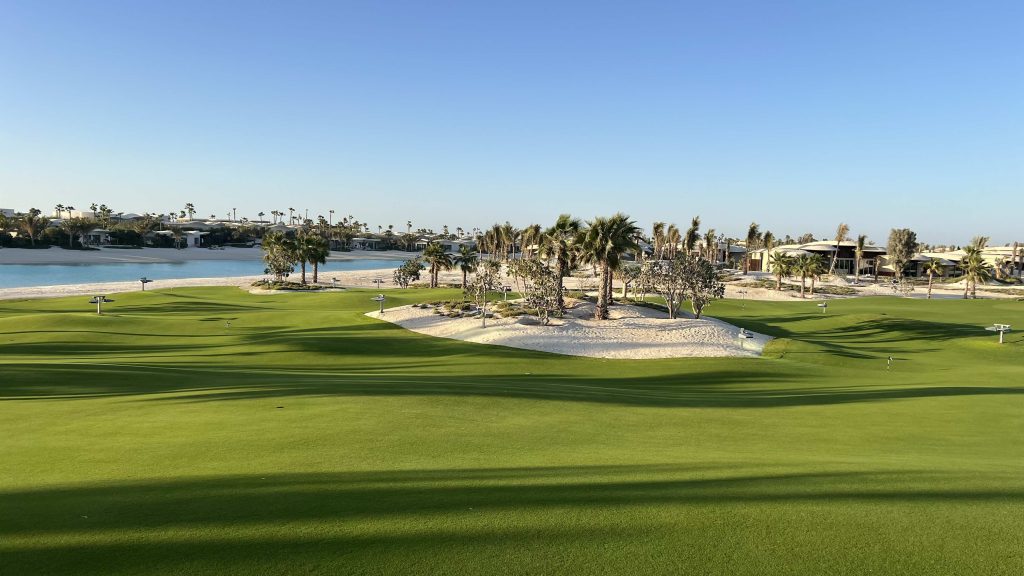
Difficult to say as they are all different and unique. Most people would say the holes that are adjacent to the sea, 4, 5, 6 and 15, but with 13 holes in total featuring the Red Sea, each one plays a specific role in the flow and playability of the golf course.
Looking ahead, do you envisage Shura Links hosting a professional tournament?
Shura Island is such a unique destination, unlike anything else in the world, so this has to be a factor in when we are in a position to host professional tournaments. From a golf course perspective, Brian has designed as a golf course that suits both recreational golfers and the best professionals in the world under tournament conditions, so should the opportunity of hosting a professional tournament be available, it would be a great honour for us.
Given the issues surrounding water use in such a hot climate, Shura Links has been sown with a variety of specific drought-tolerant grasses. How do they compare to others you have come across and what benefits do they have with regards to the way the course plays and how it is maintained?
Water availability is obviously a key consideration in this environment, so the selection of drought-tolerant turf varieties was fundamental from the outset. The Paspalum TE which has been developed specifically for Shura Links is far more efficient in terms of water consumption and is better suited to the heat, salinity, and overall conditions we face at Shura Links.
From a playability perspective, it offers a very different but highly enjoyable experience. You tend to get firmer, faster surfaces, with more ball roll and a greater emphasis on strategy and shot selection, which I think adds to the character of the course.
From a maintenance standpoint, it’s more resilient and sustainable, requiring less water and fewer inputs overall, which is critical in a project like this.
With fresh water obviously a precious resource in Saudi, how is the course irrigated and what irrigation system do you have in place?
We currently irrigate the course using a 50/50 blend of TSE and potable water. Daily testing allows us to adjust the mix and volumes to carefully manage soil salinity and ensure long-term sustainability.
We use a brand new, state-of-the-art Toro Lynx irrigation system which controls more than 2,500 sprinkler heads, enabling highly precise scheduling based on daily weather data. This level of control ensures we use water as efficiently as possible while maintaining optimal playing conditions.
Can you explain the approach to sustainability beyond water and grass management, such as energy use and wildlife protection?
Sustainability at Shura Links is built into both the design and daily operation of the course. Beyond water management, there is a strong focus on energy efficiency, including the use of renewable energy and smart systems to optimise consumption across irrigation, lighting, and clubhouse operations.
Environmental protection is equally important, with the course carefully integrated into the natural landscape to minimise impact, protect native habitats, and support biodiversity. The overall approach is to balance world-class playability with responsible, long-term sustainability.
What does your agronomy team structure look like, and how do you ensure high-quality playing conditions throughout the year?
Our agronomy team is led by a Head Superintendent, supported by an Assistant Superintendent, irrigation specialists, and dedicated maintenance teams, ensuring clear accountability across the course.
Consistency is key to maintaining year-round conditions, with structured maintenance programs, daily setup standards, and close monitoring of turf health. In this environment, a proactive approach, particularly around irrigation and turf management is essential to deliver high-quality, consistent playing surfaces.
What technology innovations have you implemented across course maintenance, customer service, and golf operations?
At Shura Links, much of our technology is focused on both course maintenance and enhancing the guest experience. Our Toro Lynx irrigation system is fully app-controlled, allowing us to manage individual sprinkler heads with precision and monitor water usage in real time. We complement this with POGO moisture tracking on our greens, ensuring we only irrigate where needed, supporting both turf quality and sustainability.
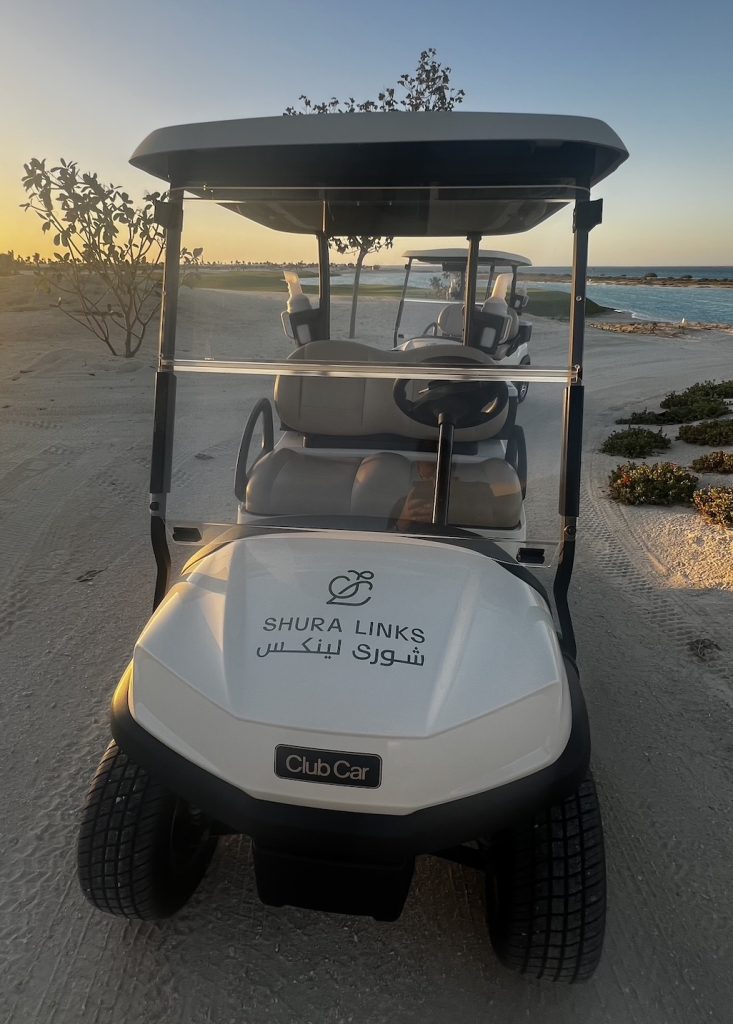
From a guest perspective, our Club Car fleet is equipped with Visage GPS, providing accurate yardages, live communication with the marshal, and soon the ability to order food and beverages directly from the cart. In addition, our fully integrated booking platform allows guests to seamlessly package their golf, hotel stay, and transfers in one simple journey.
What other partner golf brands are you working with across the golf operations at Shura Links (buggies, equipment rental, GPS, driving range technology, pro shop stockists, etc)
We have been very fortunate at Shura Links to partner with some of the best golf brands and suppliers in the world. The majority of our agronomy equipment is supplied by Toro, our golf carts are Club Car, our rental sets are Callaway as are our premium range balls. On our driving range we use the Flag’d system to determine distances to targets as well as Trackman. In the golf shop we stock Callaway, Travis Mathew, Titleist, CMC, Ecco and Grayson apparel.
In addition to the golf course what other golf facilities are offered at the club?
From a golf perspective, we have a 350m-long full grass practice facility, an extensive putting green and short game facility, as well as a large undulating putting course. Each designed to attract seasoned and experienced players as well as beginners in a relaxed and laid back environment.
Describe the clubhouse offering? Will it be a hub for other activities unrelated to golf?
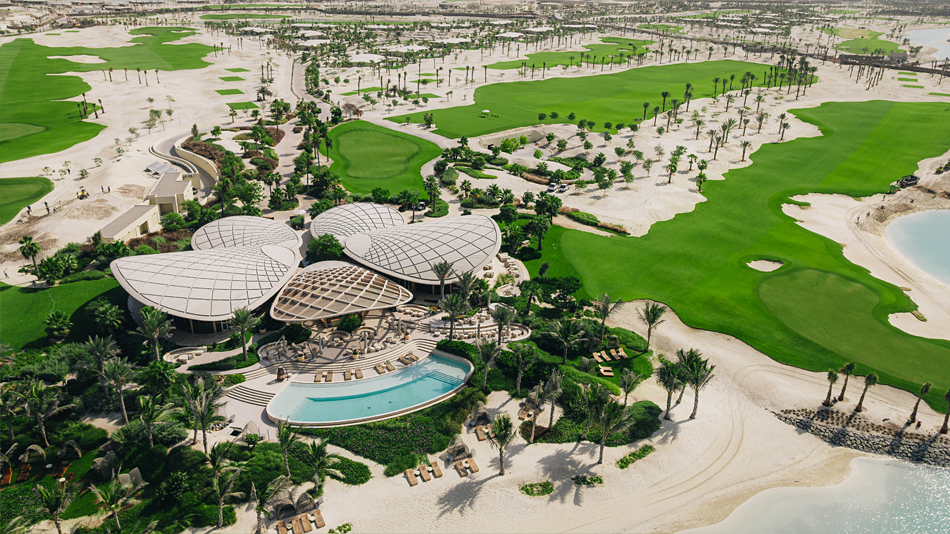
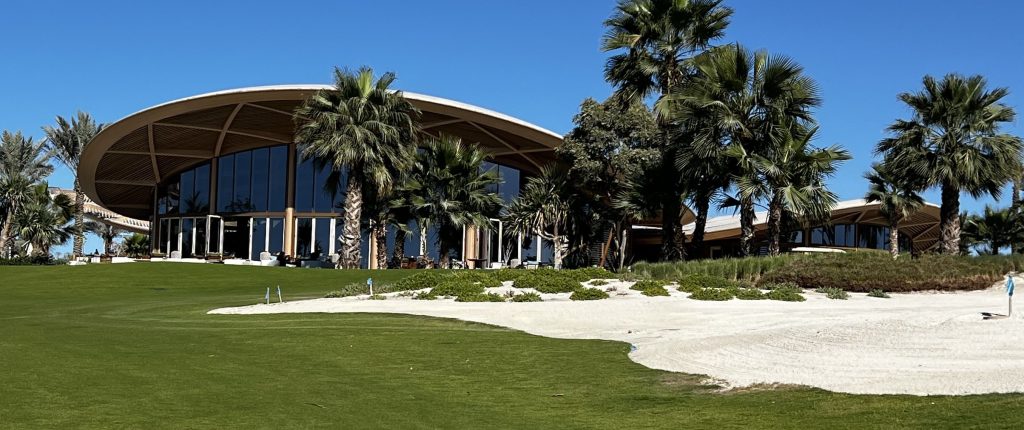
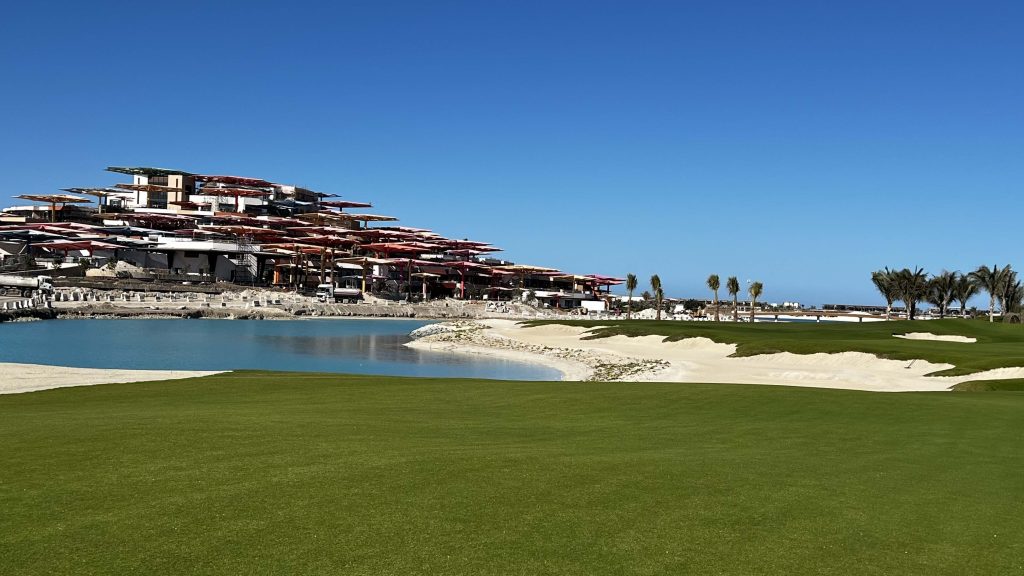
The clubhouse area is unique in its design and features 4 distinct and separate buildings that resemble the petal of a native flower. Designed by Foster and Partners, within the clubhouse, we have the main clubhouse restaurant, serving a wide selection of golf club classics as well as new innovative dishes. Guests can dine inside or outside on the terrace overlooking the 18th green. Adjacent to that is the outside bar, swimming pool and private beach area. The clubhouse is also equipped with locker rooms, a gym and prayer rooms.
What is the management structure of the club and how many members of staff have you got working under your leadership?
We are quite a small, but extremely experienced team, with 66 full time employees currently. The team is split into Operations, Agronomy, Finance, HR, IT, Marketing, HSSE and Facilities Maintenance. Each department has an HOD who reports directly to me. We have a truly international team, with employees from Saudi Arabia, UK, Ireland, Pakistan, India, Mauritius, Nigeria and Cameroon to name just a few.
What is your strategy for hiring staff in this initial opening phase, and how important is to train up Saudi nationals to take on both junior and senior roles at the club?
Our approach to hiring in the pre-opening phase has been to build a strong core team with the right experience to set standards from day one, while also bringing in individuals with the right attitude and potential to grow with the business. It’s about balancing proven expertise with long-term development as we have a clear policy of internal promotion first, should roles become available, before we widen our search.
Training and developing Saudi nationals is a key priority and an integral part of the wider Saudi Arabia Vision 2030. We are committed to creating clear pathways for progression, ensuring that both junior and senior roles can increasingly be filled by local talent over time. This is not only important for the sustainability of the operation, but also for building a team that truly reflects the destination and its future.
Will there be a membership offering, or will your customer base be entirely drawn from green fee paying guests from the dozen or so hotels that are currently being opened at the resort? How closely will you be working with the hotels in the destination to create seamless guest experiences?
There will be a carefully structured membership offering, but it will be balanced alongside a strong focus on resort guests, given the number of luxury hotels within the destination. The aim is to create a model that supports both a sense of exclusivity for members while remaining accessible to visiting guests.
Working closely with the hotels is essential. From tee time access and concierge integration to transport and overall guest journey, the goal is to deliver a seamless, end-to-end experience. It’s a fully integrated approach, ensuring that golf is positioned as a key part of the wider Red Sea guest offering.
Finally, what outreach programmes are you offering to get local Saudi nationals, including youngsters, to take up the game?
From a Shura Links perspective, we have established a partnership with our local school, delivering an after-school golf tuition programme for pupils aged 4 to 12. This initiative is designed to introduce the game at an early age in a fun and accessible environment, helping to build a strong foundation for long-term participation.
On a broader scale, Golf Saudi, the operators of Shura Links, are leading the nationwide ‘Go Golf’ initiative. This programme is focused on increasing participation among Saudi nationals by providing regular coaching sessions delivered by qualified PGA professionals, free of charge.
Growing the game within the Kingdom is a key priority, and at Shura Links we are fully committed to supporting this vision, both at a grassroots level within our local community and as part of the wider national strategy.