

The global travel industry is on course to expand faster than the world economy over the next decade, with total economic output projected to exceed $16 trillion by 2035, according to the World Travel Market Global Travel Report released on the opening day of the WTM London 2025 tourism expo.
The report forecasts the sector to post average annual growth of 3.5%, outpacing the global economy’s expected 2.5 percent yearly growth. By 2035, travel and tourism will represent nearly 12% of global GDP, underlining the industry’s vital role in driving worldwide economic progress. The findings are based on the latest economic impact research of the World Travel & Tourism Council in collaboration with Oxford Economics.
“Our latest global travel trends report, produced in partnership with World Travel Market, provides an important manual for the industry to understand and capitalise on the ever-changing dynamics of global travel,” said Dave Goodger, Managing Director EMEA at Tourism Economics.
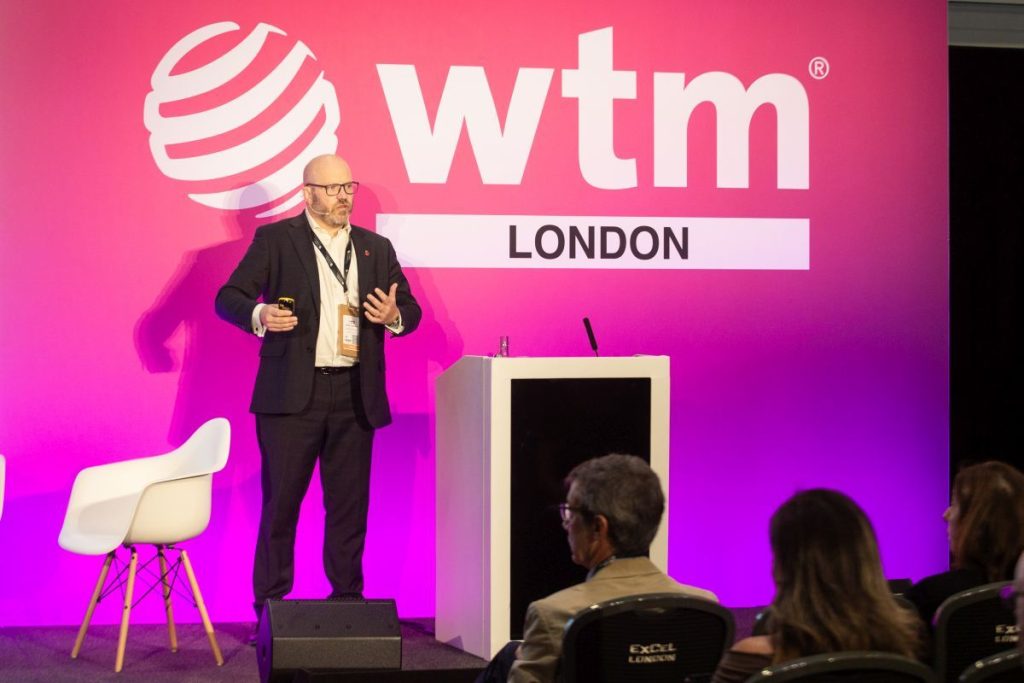
According to the report, international arrivals surpassed 1.5 billion in 2025, breaking the previous 2019 record and signalling travel’s full rebound and renewed momentum. Growth is being fuelled by rising demand from emerging markets, especially across Asia Pacific, and by consumers who continue to prioritise travel spending despite rising living costs.
Travellers are also staying longer, going farther and spending more on experiences rather than material goods. The report highlights the boom in live events tourism, noting that major tours – such as Taylor Swift’s Eras Tour, which drew over 10 million fans, and Oasis’ Live ’25 Tour – are encouraging destinations to attract global audiences.

At the same time, shifting travel patterns are shaping demand. Tourists are increasingly avoiding crowded destinations and hot summer months, instead exploring off-season or cooler regions. The so-called ‘coolcations’ trend is benefitting northern countries, with visitor numbers to Sweden, Norway and Finland expected to rise by 9% in 2025.
Sustainability pressures remain high, though the report warns that limited consumer willingness to pay extra could slow investment in greener infrastructure.
“With the accelerating rate of change in travel, our event and content such as this report will support industry professionals as they navigate the opportunities and challenges ahead,” said Chris Carter-Chapman, WTM London’s Event Director. “The WTM Global Travel Report reflects this year’s theme of ‘Reimagining Travel in a Changing World’ and explores key issues such as diversity, sustainability, technology, and global trends.”
Expansion is also evident across travel sectors. More than 15,000 new aircraft are on order from Boeing and Airbus, global cruise capacity is set to rise by almost 6%, and over half a million new hotel rooms will open this year, with a further one million under development.
Meanwhile, AI and digital platforms continue to reshape the market, with three times as many travel professionals expecting AI tools to boost travel spending rather than reduce it.
Despite the optimistic outlook, the report notes economic and geopolitical risks remain. Trade tariffs introduced by the Trump administration are adding to business costs and a persistent skills shortage continues to challenge recovery. North America’s near-term outlook is less optimistic, with inbound arrivals to the United States forecast to fall 6 percent in 2025, delaying a return to pre-pandemic peaks until 2029.