


Ed Pettit, Managing Director of Carr Golf Maintenance, which specialises in agronomic solutions, asset management and strategic planning, provides some key strategies to future-proofing golf course for wetter winters
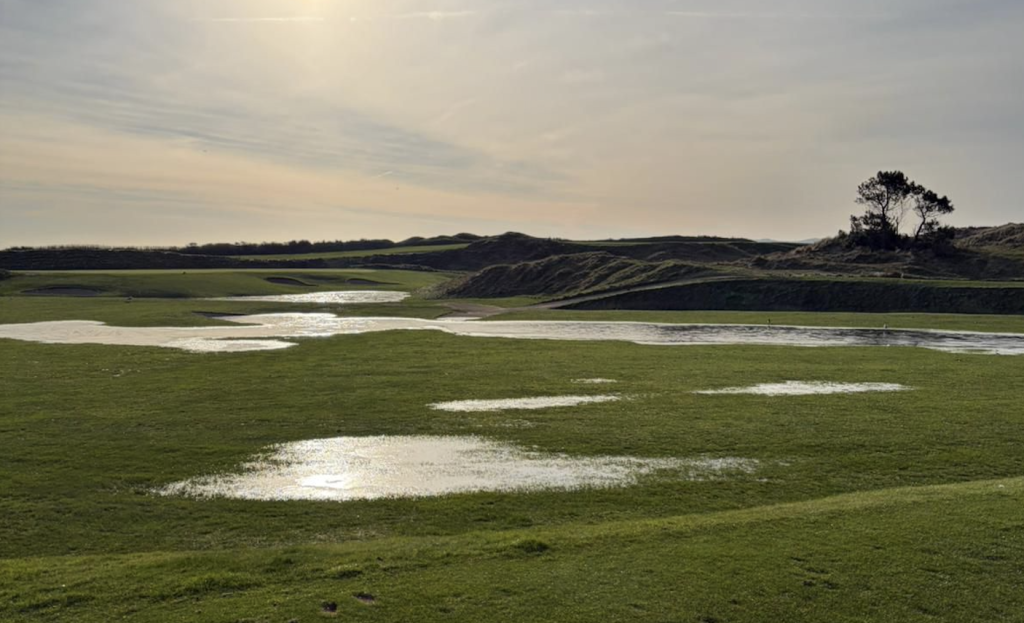
Across the UK and Ireland, golf courses have been beset by an unprecedented wet spell this winter. England had already surpassed its average winter rainfall by the first week of February, and parts of the south west have experienced double the typical seasonal precipitation, all before winter officially ended at the end of last month.
This has wreaked havoc on winter maintenance schedules, playability, and course conditioning for managers across the country. More concerning, a recent Carr Golf survey revealed that drainage and winter playability rank among members’ top three concerns, suggesting that the trend toward milder, wetter winters is directly limiting playing opportunities and raising questions about membership value.
Course managers face difficult trade-offs: prioritising immediate playing conditions at the risk of long-term damage, closing holes or the course entirely and frustrating members, or investing in resilience-building works that sacrifice short-term playability. While these decisions are challenging and often unpopular, there are proven strategies to mitigate risk and build lasting resilience.
1. Protect the Surface
When courses are wet, soil is highly susceptible to damage and compaction. Poor traffic control during saturated periods can significantly delay spring recovery and impact early-season presentation.
Proactive traffic management is therefore essential. Stakes and ropes should be used to distribute wear and protect vulnerable areas, including tee entry and exit points, path ends, fairway transitions and green complexes. Prudent traffic control not only protects turf health but also improves recovery timelines and long-term playability.
2. Maintain Infiltration: Aeration and Sanding
Winter aeration is critical to relieve compaction, improve infiltration and maintain connectivity with existing drainage systems. Deep tine aeration, regular solid tining and shockwave treatments should form part of a structured winter programme.
Sand top dressing further enhances surface infiltration and soil structure, particularly in the upper profile where playability is most affected. Where budgets allow, regular applications, including fairways, deliver the greatest benefit.
Where they do not, targeted top dressing alongside ongoing aeration can still improve performance. However, sanding must be treated as a long-term commitment rather than a one-off intervention if it is to deliver sustained results.
3. Improve Drying Conditions
Shading is a surprisingly significant issue for winter playability. Low sun angles and restricted air movement can prolong surface moisture, reduce drying rates and increase disease pressure.
Tree pruning, removal, canopy raising and brash clearance are essential measures to improve air movement and sunlight exposure.
4. Monitor, Measure, Manage
If soil moisture monitoring is not already part of your routine, it should be. Understanding soil health and moisture levels using specialist equipment is fundamental to addressing drainage-related issues effectively.
Milder, wetter conditions also increase the chance of turf disease and earthworm casting. Such outbreaks compound pressures on maintenance schedules, playing conditions and operational costs, making proactive monitoring even more critical.
Modern meters provide real-time data directly to your phone or computer, allowing you to track trends and identify shifting patterns. In the short term, this data can justify decisions to close particular holes or the course itself, providing evidence-based reasoning that members and committees can understand and respect.
4. Invest in Drainage
In consistently wet areas that cause prolonged closure, drainage installation should be considered. Best-practice systems typically include a mainline with laterals spaced at 3-5 metres and sand slits at approximately 0.5 metre spacing.
Too often, compromises in specification undermine long-term performance. By adhering to proven standards aligned with best practice, clubs can ensure drainage investment delivers lasting impact.
5. Build a Business Case
According to Met Office data, the UK has experienced steadily wetter winters over the past 150 years. If projected increases in global temperatures materialise, this trend is likely to continue.
For golf clubs, this presents a significant concern. While the game is currently thriving, a shorter playing season could undermine the value proposition of rising membership fees. A prudent strategy is to examine long-term threats to business sustainability now, particularly wetter winters, and use trend data to build a compelling business case for preventative investment in resilience measures.
6. Communicate Clearly
Clear communication with your committee, General Manager, and members is essential during periods of wet weather. Many members will forget recent weather patterns and expect good playing conditions. In fact, almost half of respondents in our recent survey said they expect a minimum of high consistent course conditioning for the price they pay for membership. Proactive messaging is vital.
However, the way you communicate matters significantly. Course managers often post images of flooded fairways and waterlogged greens. Instead, communicate the desired outcome rather than the problem itself. Focus on how you’re addressing challenges with members’ playing experience at the forefront. During difficult periods, demonstrate that you have their best interests at heart, even when short-term sacrifices are necessary. This approach builds trust and brings members along with you (rather than turning them against you).
7. Moving Forward
The reality of wetter winters is here, and it’s reshaping how golf courses must operate. By monitoring soil conditions, building data-driven investment cases, and communicating transparently with stakeholders, course managers can turn a challenge into an opportunity to build more resilient, sustainable courses. The clubs that act now will be better positioned to thrive in the seasons ahead.
For more details about Carr Golf Maintenance’s services, visit carrgolfmaintenance.com