

It’s post-World War II and the future of the matches is in the balance, writes Ross Biddiscombe.
Look at the Ryder Cup from a 21st century perspective and you will only see the massive global audience and the huge financial profits. But that is deceiving when the entire 98-year history of the matches is in view. In fact, the Cup was once in real and present danger of dying altogether.
And we’re not talking about the 1970s when the Ryder Cup matches were becoming much too one-sided. Rather than end the series then, the strategy was to adapt and hence Team Europe came into existence. But when it comes to the Cup circling the drain, historians go back to the first post-World War II match.
Before then, the six pre-war contests delivered four US wins and two by Great Britain and the planned 1939 November match was set for Ponte Vedra in Florida, but it was cancelled when hostilities started in the September. Henry Cotton and Walter Hagen had been selected as non-playing captains and, without a match – but thousands of miles away from the German army – the Americans staged a number of fundraising contests to help the allies. It kind of kept the Ryder Cup alive, but every year that passed put the next real match in increasing danger.
All the momentum for the event had been lost by the end of 1945 after the war ended. Excitement for the Cup had been replaced by economic and logistical problems – would another match even take place again?
The main problem was so little money in the British PGA’s kitty and that meant almost total reliance on support from America. It didn’t help GB that the Cup’s patron, Samuel Ryder, had died in 1936.
Two leading players at the time, Gene Sarazen and Britain’s Max Faulkner summed up the situation years later. Sarazen said he was unconvinced about the Cup’s future: “It didn’t look good. Who knew what would happen, what shape everyone was in? There was little to be sure about.” Faulkner concurred: “We hadn’t forgotten about the Ryder Cup, but when the war ended, that didn’t mean the competition would be on again. [After the war] it looked rather bleak.” Perhaps the Ryder Cup would just become a golfing footnote.
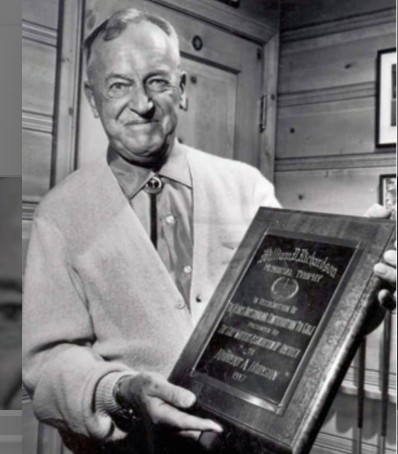
How did the Ryder Cup survive and who were the leading figures of the first post-war match? The main man to thank came from an unlikely place, 6,000 miles from the shores of a very tired British Isles. His name was Robert A Hudson who is pictured above
To read the rest of this Ryder Cup story, click https://open.substack.com/pub/rossbidd/p/ryder-cup-series-part-6-when-the?r=2jbyei&utm_campaign=post&utm_medium=web&showWelcomeOnShare=true
Ross Biddiscombe is the author of Ryder Cup Revealed: Tales of the Unexpected & posts regularly on Substack about golf and other sports; click here for the app https://substack.com/appand subscribe for FREE to receive extra Ryder Cup stories and other sporting journalism.