Patrick Cantlay’s ‘no-hat’ controversy in the 2023 Ryder Cup, writes Ross Biddiscombe, was the latest in a long line of controversies about money at the bi-annual event. Back as far as 1927, the cash questions have included: was there enough to stage the match at all; who would provide the funds to cover all the expenses in the early days; then, when funds became plentiful in the mid-1990s, where do the modern-day go and, crucially, should the players receive payment?
Some argue that the attitude regarding player payments reflects fundamental cultural differences between Britain/Europe and the USA. The American team has never been short of money, starting with well-heeled patrons or high-quality golf clubs coming forward as golf’s popularity in the US surged right from the time of the inaugural match. By contrast, the British PGA had to beg clubs and golf societies to donate cash to send the team over to America in 1927 and then Samuel Ryder had to chip in to meet the final bill. My own club, Hampstead GC in London, sent a cheque for £10. This state of poverty remained for decades. For example, the 1933 match at Southport & Ainsdale in Lancashire left the PGA with a £1,200 bill.
British players also missed out. Representing their country meant no lucrative lesson income or exhibition match winnings for a week. A few expenses were covered (in 1929, the British players received £20, but they also paid for their own travel to and from Moortown in Yorkshire), but receipts were required for other expenditures. The system of a small daily stipend for players was the alternative to match fees, but larger payments were moot because the matches just never produced much profit.
Years ago, the best US players were happy to play for free. For decades after World War II, they were becoming sporting superstars, while British pros were still second-class citizens.
Prize money at the Masters, for example in 1946, was two and a half times more than the R&A paid out at the Open Championship. The Ryder Cup promoted golf and themselves in the US and it was fun because they almost always won.
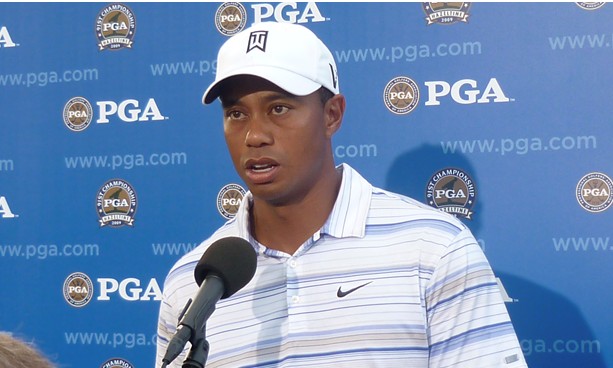
But in 1977, the first crack appeared in this seemingly happy state of affairs. Pay-to-play became an issue, first involving former US Open champion Tom Weiskopf and then at the 1999 match in Brookline, Massachusetts when Tiger Woods, David Duval and Mark O’Meara all spoke out.
The question of player payments for US Ryder Cup team was to make major headlines.
For the longer, unabridged version of this story, click https://open.substack.com/pub/rossbidd/p/ryder-cup-series-part-4-money-thats?r=2jbyei&utm_campaign=post&utm_medium=web&showWelcomeOnShare=true
Ross Biddiscombe is the author of Ryder Cup Revealed: Tales of the Unexpected & his regular Ryder Cup posts are also on Substack; click here for the app https://substack.com/appand subscribe for FREE to receive extra Ryder Cup stories and other sporting journalism.