

I’m a very keen, slightly-above-average club golfer who belongs to two 9-hole clubs in London and Michigan, writes Ross Biddiscombe, and when I first tell people that I played in the Ryder Cup, they think it’s a joke. Then I add that I was also a vice-captain, and they roll their eyes and say I must be overdosing on hallucinogenic drugs. Well, my claims are true. The point is that you have to understand the full history of the Ryder Cup to truly believe me.
The first necessary piece of information is relatively unknown and it’s that there’s more than one Ryder Cup in the world of golf. Samuel Ryder did, of course, give his name to the bi-annual match between Europe and America back in 1927 (although it was GB vs. the US back then) and, because of his generosity and foresight, the contest will celebrate its centenary in two years’ time. But his influence stretches beyond the world’s most famous team golf competition.
Even before 1927, Ryder sponsored golf tournaments and supported players, especially his professional at Verulam GC, Abe Mitchell. So, it’s no surprise that after the first British-based match at Moortown in Yorkshire in 1929, Ryder wanted to start other golfing traditions in his name.
The millionaire seed merchant had very much enjoyed the hospitality at Moortown which lies five miles north of the centre of Leeds. He also enjoyed the result – GB’s 7-5 victory, its first in the competition. To mark this historic moment, Ryder presented Moortown ladies with their own Ryder Cup – made of silver rather than gold – to acknowledge their volunteer services at the event.
So, it was logical to use this prestigious new trophy for a matchplay knockout tournament to be contested by its lady members.
It’s called the Ryder Commemoration Cup, been fought for since 1929, and was won this year by Ailsa Jarvis who beat Beryl Pickering 2&1 in the final. And so, Ailsa is legitimately a Ryder Cup champion.
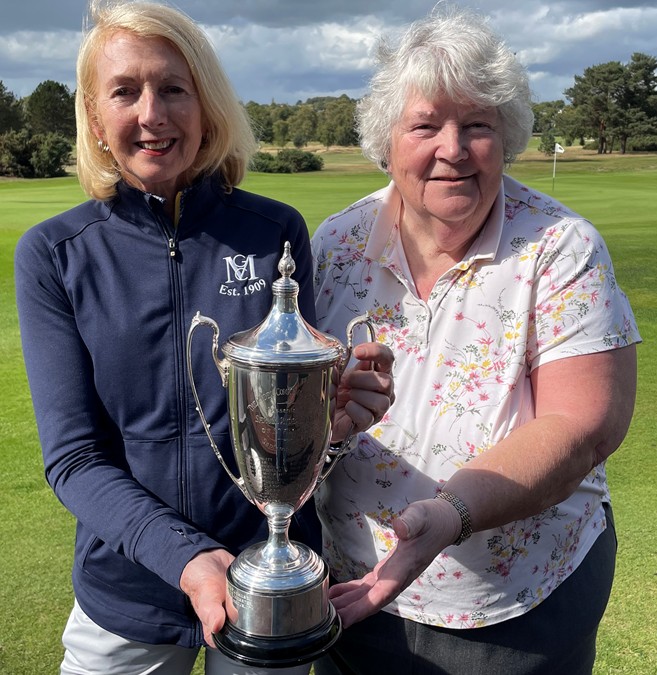
Moortown GC historian Jack Cooke says that the Ryder Commemoration Cup displayed in the entrance hall cabinet at the club is a replica – their original actually sits in the R&A Museum in St Andrews (which means a huge saving on the club’s insurance premium) and the Moortown trophy was displayed in the USA at the 2008 the Ryder Cup in Valhalla, Louisville.
But back to the headline of this article: I am not a lady nor a Moortown member, so how can this 12-handcapper have been both a player and vice-captain of the Ryder Cup? Well, my story takes place in Zimbabwe in 2014 and, again, it’s all thanks to Samuel Ryder himself.
To read the rest of this Ryder Cup story including the Zimbabwe connection, click https://open.substack.com/pub/rossbidd/p/ryder-cup-2025-stories-part-8-im?r=2jbyei&utm_campaign=post&utm_medium=web&showWelcomeOnShare=true
Ross Biddiscombe is the author of Ryder Cup Revealed: Tales of the Unexpected & his regular Ryder Cup posts are on the Substack platform; click here for the app https://substack.com/appand subscribe for FREE for receive extra Ryder Cup stories and other sporting journalism.