

Chart Hills Golf Club has returned to the Golf World Top 100 Golf Courses of England, reaffirming its status as one of the country’s leading modern parkland venues. In this exclusive interview, General Manager Anthony Tarchetti reflects on the journey since the Kent-based club’s acquisition in 2019, the impact of strategic improvements both on and off the course, Sir Nick Faldo legacy and the long-term vision for Chart Hills as a standout golf destination in the UK.
GBN: Chart Hills has recently returned to the Golf World Top 100 Golf Courses of England, one of the most competitive rankings in the game. What does this recognition mean for the club after several years of investment and transformation?
Anthony: To be honest, when we took over the property in 2019 and saw the condition it was in, this recognition meant a huge amount, particularly for our team. The greenkeeping staff have worked incredibly hard, and being recognised by the Golf World Top 100 really acknowledges that effort. From a business point of view, it’s great to see Chart Hills back on the radar, but just as importantly, it’s a chance to say ‘well done’ to everyone involved. If we continue on this trajectory, I am sure that the recognition will only grow!
Since the acquisition in 2019, Chart Hills has undergone a period of significant and sustained investment. From your perspective as General Manager, how has this investment translated into tangible improvements for both the business and the overall golfer experience?
If you rewind back to the early 2000s, Chart Hills was already highly ranked, the stature and the design were always first class, but unfortunately, the condition simply didn’t match. One of our biggest challenges when we arrived was drainage. Coming from a links background, it wasn’t something we’d ever really had to worry about before, but here the reality was that the course was effectively closed for around four months of the year.
From a member and golfer’s perspective, that’s a poor experience. You’re paying a full annual subscription but only getting eight months of playable golf. Making the course playable 12 months of the year was probably the single biggest step in the right direction.
The investment has been substantial, but the feedback from golfers, and recognition from the Golf World Top 100, shows that it’s been work worth doing.
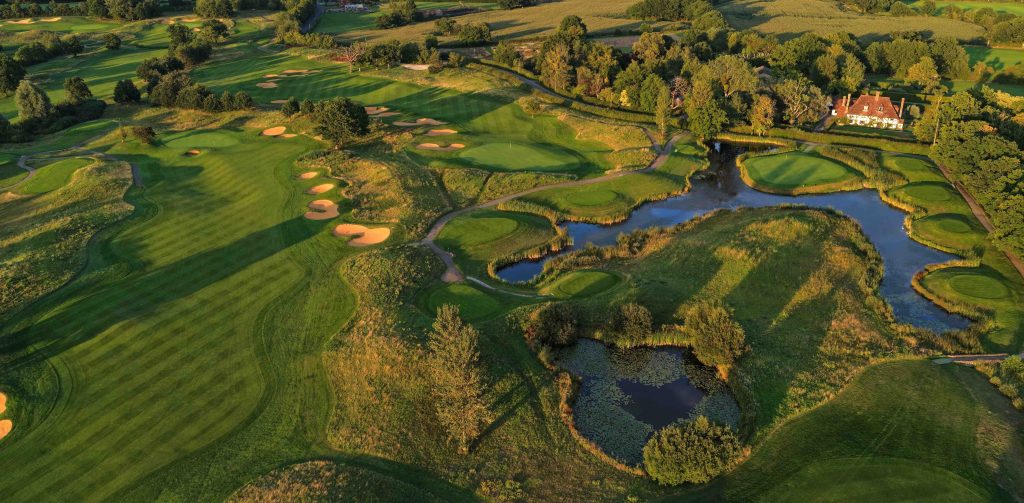
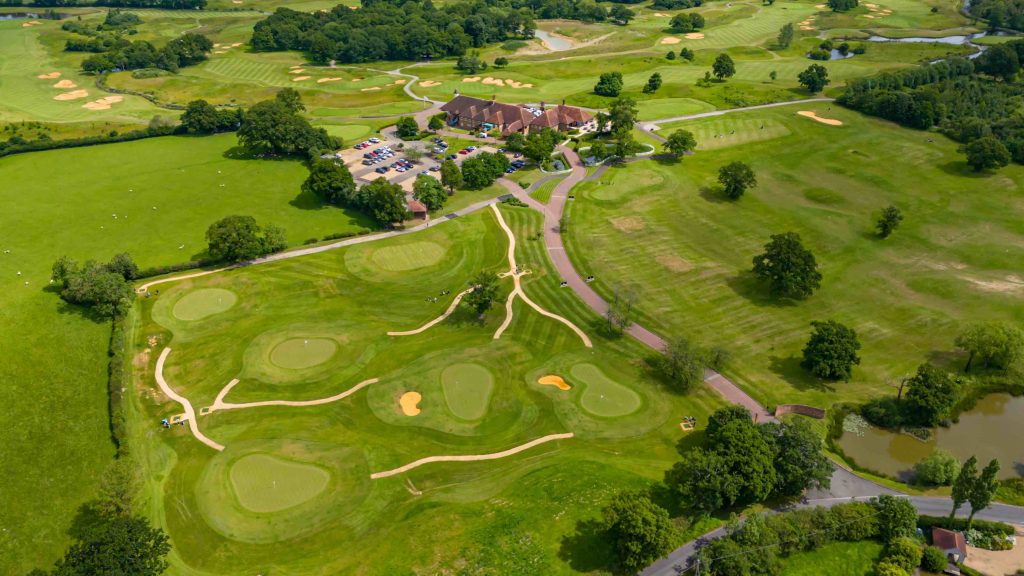
As the original designer, Sir Nick Faldo has continued to play an important role at Chart Hills, particularly through the redesign of the practice areas and the creation of The Loop, which offers golfers a focused par-three test and a place to hone their short game. How important has this partnership been in preserving the course’s identity while adapting it to the needs of the modern golfer?
For an early 90s design, the course was actually quite modern already. The yardage off the back tees alone shows that it’s capable of hosting championship-level golf.
Having Sir Nick involved is fantastic. He’s been here three times since I arrived, whereas before that he hadn’t visited for many years. He’s the best golfer England has ever produced, so having his name attached to the course is incredibly valuable, particularly when you look at the international markets.
We’re the only Faldo-designed course of its kind in the country, possibly even in the UK, and that definitely draws people in. He’s very visible now, hosting the British Masters, appearing regularly on TV, so when golfers search for Faldo design venues and Chart Hills comes up, that’s pretty special for us.
It’s also genuinely nice on a personal level. Being able to sit down with him, have lunch, share a glass of wine, he’s just a really good person. Having him involved has been very straightforward and very easy; he’s relaxed, approachable and supportive of what we’re doing. As a designer, his name will always be attached to the course, so seeing Chart Hills restored to where it should be is something I’m sure he’s very pleased with.
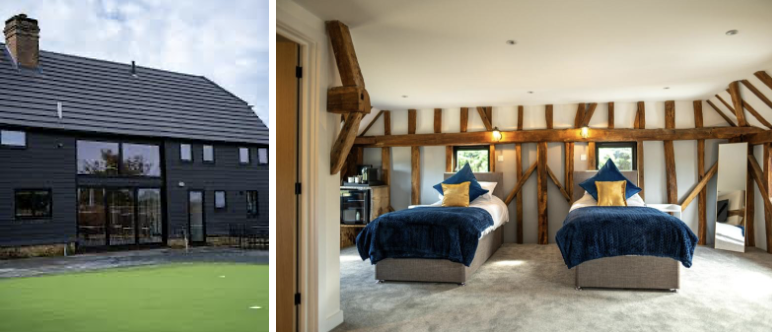
The development of Stay & Play accommodation at The Barn has positioned Chart Hills as more than just a golf course, with the four premium suites. How has the integration of premium accommodation, events and weddings influenced the club’s business model and revenue mix?
When we first arrived, weddings and events were difficult simply because there was nowhere for people to stay. The accommodation is small, four suites sleeping up to eight guests, but it makes a huge difference. It supports stay-and-play golf packages, but it’s also transformed our weddings and events offering. For a bride and groom to have the entire Barn to themselves, along with close family, is incredibly important. It’s their day, and that level of comfort matters.
The finish of the barn has been very well received, especially for an old country barn, and we’ve had great feedback, particularly through social media. It’s gaining real traction now, not just with golfers but also through platforms like Booking.com and Hotels.com.
In the future, we’d love to add more accommodation, but for now it’s working really well and strengthening what we offer as a venue.
Looking ahead, how does the management envision the next chapter of Chart Hills’ development, and what would you like the Chart Hills name to represent within the UK golf landscape over the next five to ten years?
For the management team, the whole process has been about building a golf club and a business that we’re genuinely proud of. Recognition from organisations like the Golf World Top 100 shows that we’re on the right path, taking something that was run down and bringing it back to where it belongs. The owners are very happy with the progress, but we know that there’s still plenty to do in terms of building the overall experience.
Looking ahead, if we continue to grow as we have, hosting competitions in the future would be great. But our main focus is on the complete round experience. Whether you’re a member or a visitor, we want everyone to enjoy their time here and leave having had a genuinely good day.